BackDigital Trade

Digital Trade

Taiwan
2026-09-03 04:52:22

Taiwan outlines AI infrastructure push for SMEs, flags stablecoin safeguards at FinTechOn summit

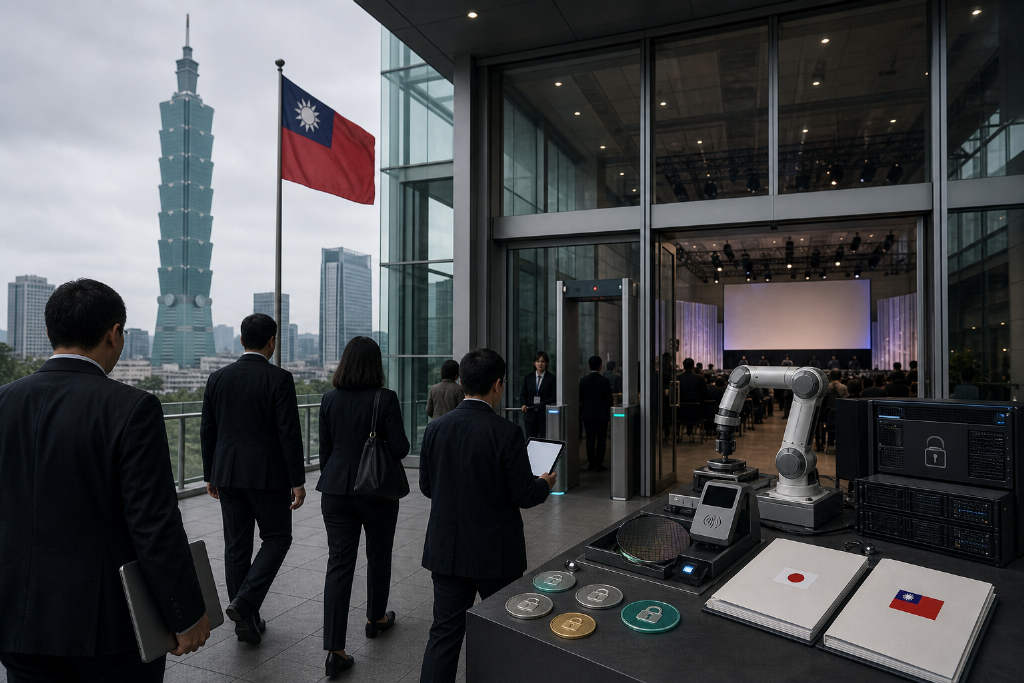
Taiwan used the FinTechOn 2026 & AFA summit in Taipei on Sept. 3 to set out a policy agenda that links industrial competitiveness, AI adoption, digital trade, and financial regulation. Opening the event, Deputy Minister of Economic Affairs Chiang Wen-jo said Taiwan’s semiconductor and ICT sectors have long held a key place in global supply chains, but manufacturing strength alone is no longer enough to sustain competitiveness. The government is now promoting its “New Ten Major AI Infrastructure Projects,” with a focus on helping small and medium-sized enterprises adopt artificial intelligence, improve production processes, and build a stronger pool of digital talent. Chiang also said Taiwan is working with Japan on cross-border data transfer and electronic document standardization to reduce friction created by regulatory differences and system incompatibility. In fintech, the government sees potential for stablecoins and digital assets in cross-border payments, clearing, and settlement, but said innovation must move alongside risk controls. Officials stressed anti-money laundering compliance, cybersecurity, and personal data protection as core parts of the regulatory approach.

10
Taiwan outlines AI infrastructure push for SMEs, flags stablecoin safeguards at FinTechOn summit
United States
2026-07-22 09:36:39

WSJ: U.S. pushes trade deals to shape digital rules for the AI era

The Trump administration is pursuing a longer-term trade strategy beyond tariffs, according to The Wall Street Journal, by seeking agreements with major trading partners that would help define a new set of global rules for data flows, cloud computing, software, and artificial intelligence. The report says 43 jurisdictions worldwide currently maintain 146 digital trade barriers, including digital services taxes, data localization mandates, restrictions on cross-border data transfers, and requirements for companies to hand over source code, technology, or commercial data. Washington argues that such measures weaken the competitiveness of U.S. technology firms and the broader digital economy. Recent agreements with Indonesia, Cambodia, and Malaysia include provisions that bar forced technology transfer, protect the free flow of cross-border data, prohibit governments from demanding source code submissions, and preserve duty-free treatment for electronic transmissions. The Journal said these terms are being viewed as an early framework for digital trade rules in the AI era, as competition over data governance, AI regulation, and digital trade standards becomes a more prominent part of global economic rivalry.

990
WSJ: U.S. pushes trade deals to shape digital rules for the AI era